Why the Map Is Small on Purpose
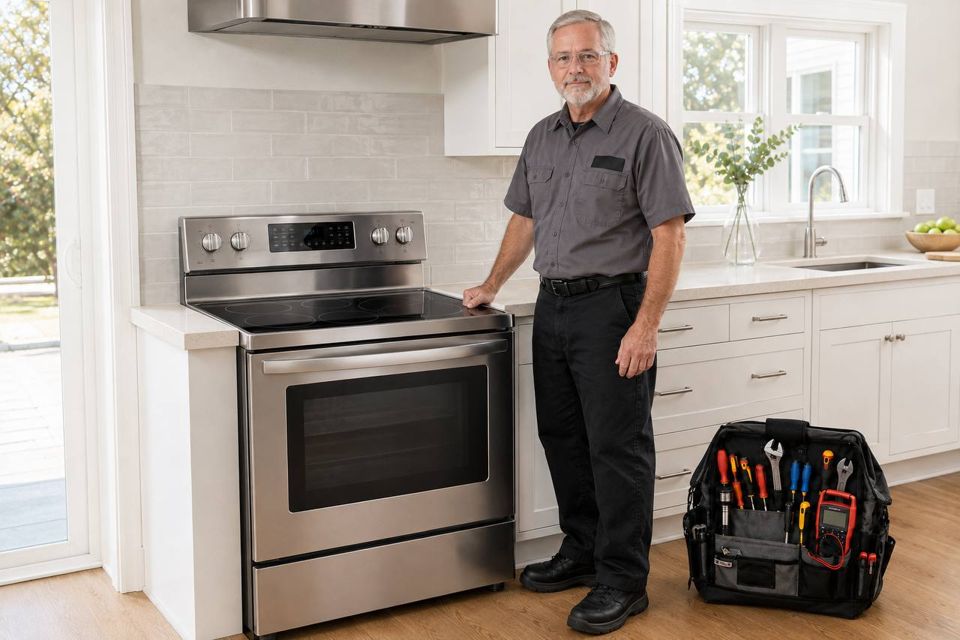
Reid spent years on a franchise truck with a territory that stretched from Moncks Corner to Kiawah, and learned what a territory that size does to a schedule: the eleven-o’clock window in West Ashley becomes two, the part that arrived at noon goes in on Thursday, and the technician spends more of the day on Highway 17 than in a kitchen. Setting up on his own, he drew the map the other way around — twenty-five minutes from the house on Pebble Road in any direction, and not a mile more. The peninsula in ten, James Island in twelve, Johns Island and North Charleston in fifteen, Folly and the Hollywood road and Mount Pleasant at the edge. Inside that circle the time dispatch quotes is the time the truck keeps.
Dispatch is the other half of the team: the person who answers, keeps the calendar, asks the questions that make a visit go right — which stage of the cycle fails, where the truck can park downtown, whether the laundry is upstairs or under the house, what the gate code is — and writes up the house file after each visit. That is the whole crew, and for a map this size it is enough.
Three Words
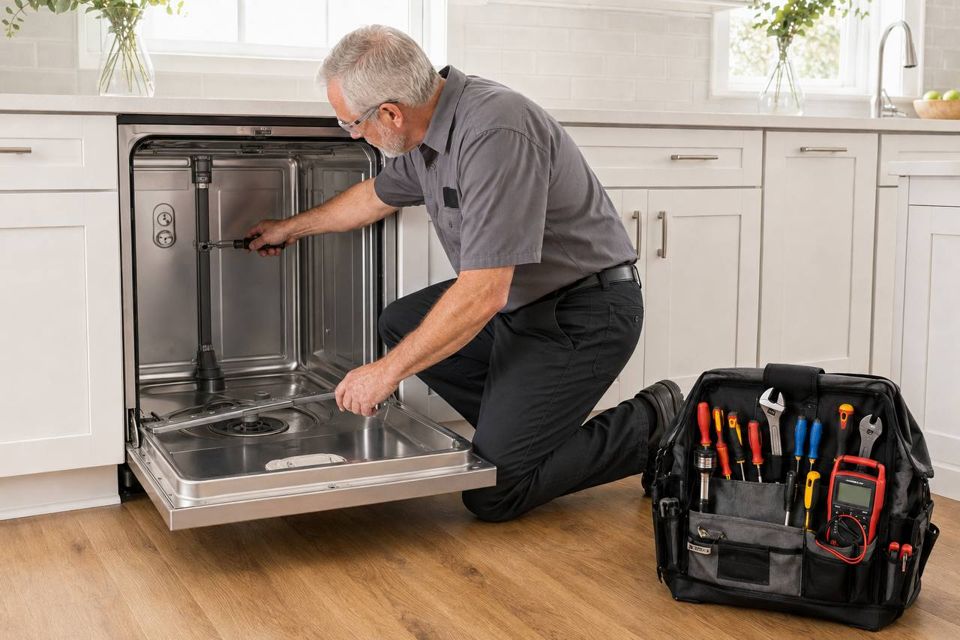
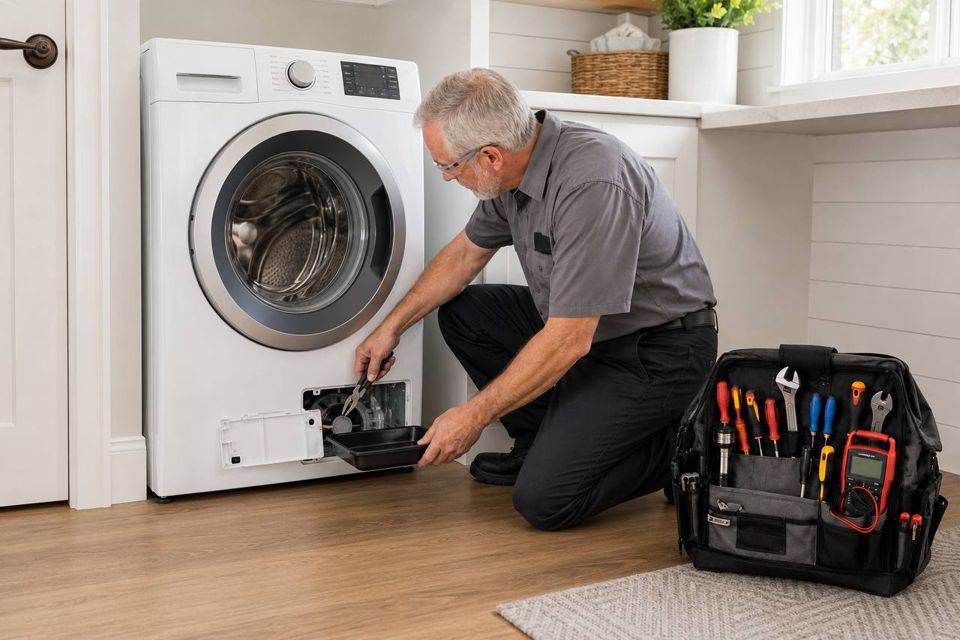
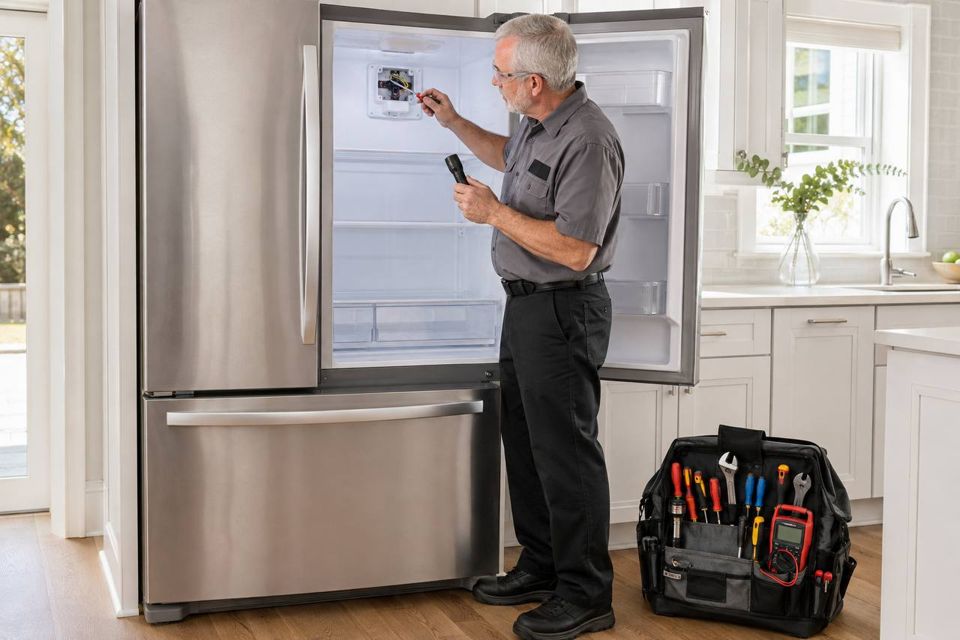
The walk-through is the machine run through its cycle with the panel open and the meter on, in front of you, so the fault is found while it is failing rather than guessed from a symptom. The ticket is the one written number for the repair, shown before a tool is picked up; if something unexpected turns up, the work stops and you decide. The house file is the record kept per address — readings, parts, verdict, the water the kitchen is on, which connectors were sealed — so the next visit starts where the last one ended, and so a landlord, a manager or a family member somewhere else can read exactly what happened.
The Short Version
- An independent shop with no factory authorizations — stated outright, never hinted at with a row of logos.
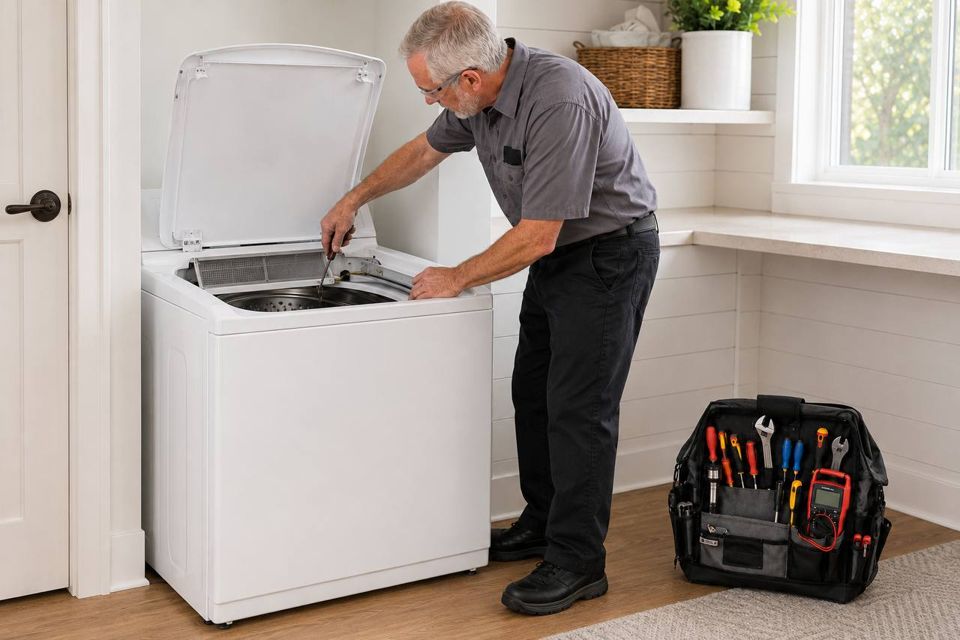
- Every brand and every decade, from a paneled Sub-Zero in the Old Village to a 1988 top-loader in a Park Circle bungalow.
- Nothing for sale but the repair, which is what makes a retire verdict believable.
- No billing through insurance companies or home-warranty plans; the household pays, the household gets the house file.
- Same-day slots most weekdays, with warm refrigerators and dead dryers at the top of the day.
- Landlords, HOA boards, rental managers and out-of-town owners are the ordinary week, not the exception.